
Skip to content
PuneCulture · Heritage Series · The Peshwa Era

Pune · 1713 → 1818

The PeshwaGolden Age

Scroll

Introduction · The Peshwa Century

Between 1713 and 1818, Pune was not just a city. It was the nerve centre of the largest empire in 18th-century India — a realm that stretched from the Arabian Sea to Bengal, from the Vindhyas to the Deccan plains.

They were generals. They were diplomats. They were builders.

The Peshwas turned a Maratha stronghold into the capital of the subcontinent's most powerful empire.
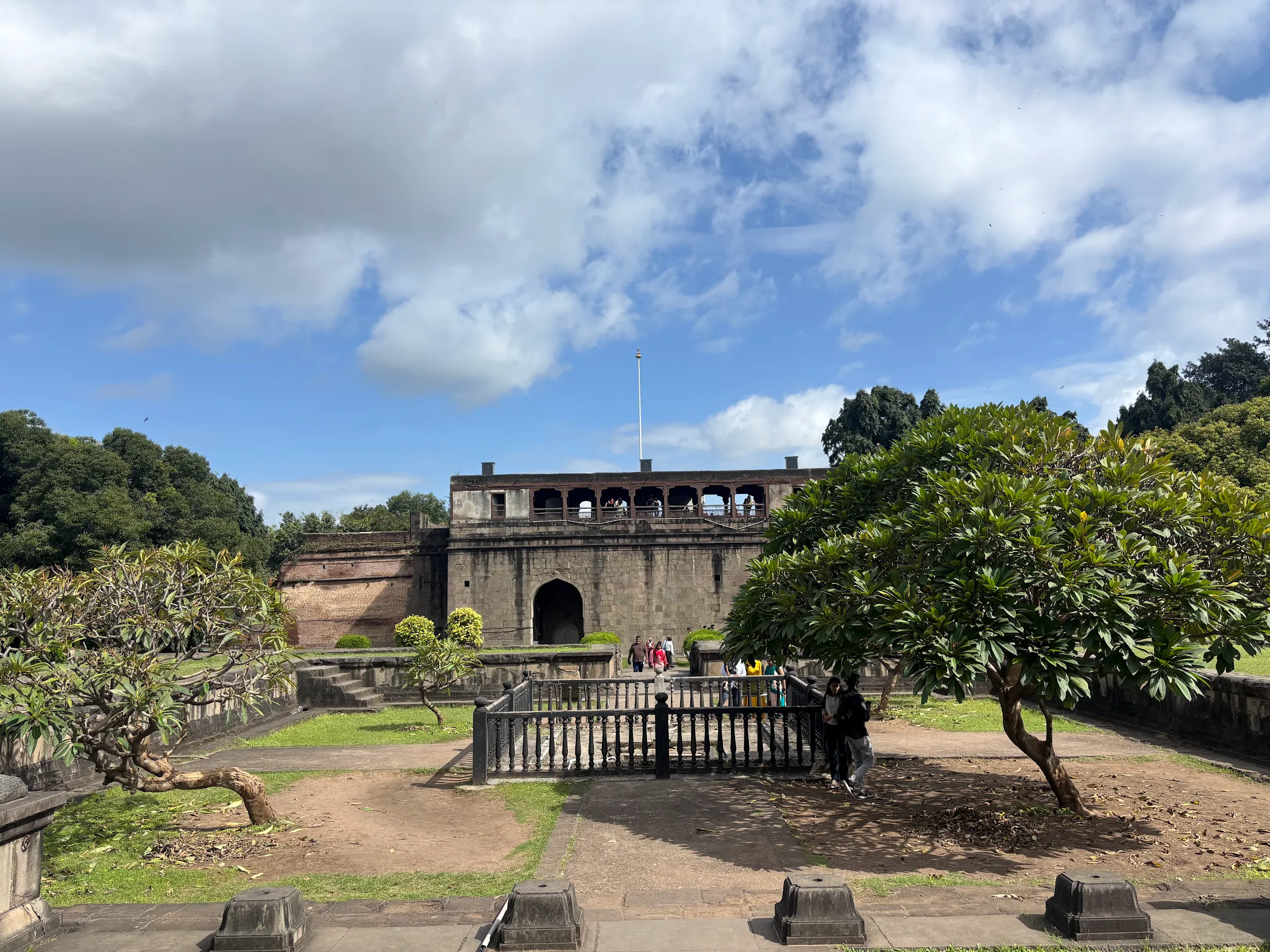
Shaniwar Wada — the seat of Peshwa power in Pune

The Seat of Power

Shaniwar Wada —
Capital of an Empire

9
Peshwa Rulers
1713 – 1818
41+
Battles Won
By Bajirao I alone
105
Years of Glory
The Peshwa century
1732
Shaniwar Wada Built
Heart of the empire

Swipe or Scroll Horizontally

Six Chapters of the Peshwa Age

01
1713

The First Peshwa

In 1713, Balaji Vishwanath Bhat became the first official Peshwa — the Prime Minister of the Maratha Empire. A Brahmin administrator from Shrivardhan, he transformed the role from a mere minister into the most powerful position in the subcontinent, second only to the Chhatrapati.

01
02
1720

Bajirao: The Unbeaten General

Bajirao I succeeded his father at just 20 years old and never lost a single battle in his 20-year military career — fighting over 41 battles. He pushed Maratha power from the Deccan to Delhi, earning the title "the greatest cavalry general India has ever seen" from military historians.

02
03
1732

Shaniwar Wada is Born

On a Saturday in 1732, Bajirao I laid the cornerstone of Shaniwar Wada — a palace that would become the nerve center of an empire. Within its teak gates and lotus fountains, decisions were made that shaped the fate of armies from Attock to Cuttack.

03
04
1740–61

The Empire at Its Peak

Under Nanasaheb Peshwa, the Maratha Confederacy reached its greatest territorial extent. Tax revenues from Bengal to Gujarat flowed into Pune. The city transformed — new peths were built, arts flourished, and Pune became the cultural capital of the Deccan.

04
05
1761

Panipat: The Wound That Changed Everything

On 14 January 1761, the Third Battle of Panipat ended in a catastrophic defeat. Over 100,000 Maratha soldiers and noblemen perished. Pune fell silent for months. The Peshwas never fully recovered — but they rebuilt, and the empire survived for nearly 60 more years.

05
06
1818

The Last Peshwa & A Legacy Unbroken

In 1818, the British defeated Bajirao II at the Battle of Khadki and lowered the saffron flag from Shaniwar Wada. The Peshwa era ended. But the infrastructure they built — the peths, the ghats, the temples, the wells — still define the geography of Pune today.

06

Auto-scrolling · Hover or tap to pause

Bajirao I · 1720–1740

"Let us plant the flag of the Marathas
at the walls of Attock."

— Bajirao I, Peshwa of the Maratha Empire

Chapter I · 1713 — The Rise

Balaji Vishwanath: The Architect of Power

Balaji Vishwanath did not conquer territories — he conquered politics. A master diplomat and administrator from Shrivardhan, he navigated the fractured Maratha court and engineered the Treaty of 1719 with the Mughal Emperor, freeing the Chhatrapati from captivity and returning vast territories to the empire. He turned the office of Peshwa from a ceremonial post into the beating heart of a nation. When he died in 1720, he left his son Bajirao an empire stitched together by paperwork, diplomacy, and brilliance.

Chapter III · 1732 — The Capital

Building the Empire's Heart

When Bajirao I chose the site of Shaniwar Wada on the banks of the Mutha river, he was not just building a palace — he was building the capital of the largest empire in India. The construction cost 16,110 rupees. Inside: a complex of seven palaces, five massive gates, lotus-shaped fountains, administrative offices, and a military command post. For 70 years, every significant decision — wars, treaties, marriages, rebellions — was made within these teak-and-stone walls. The city of Pune grew outward from this single structure.

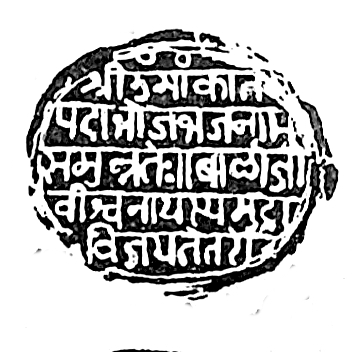
Official seal of Balaji Vishwanath — first Peshwa of the Maratha Empire

The Official State Seal

Balaji Vishwanath's Seal
Symbol of a New Order

1761

The Third Battle of Panipat

The Day an Empire
Learned How to Grieve

On 14 January 1761, at the plains of Panipat, the Maratha army faced Ahmad Shah Durrani's Afghan forces. It was one of the largest battles of the 18th century — and for the Marathas, one of the most devastating defeats in history. Over 100,000 soldiers and civilians died.

Nanasaheb Peshwa, who had built the empire to its peak, died of grief shortly after hearing the news. Pune fell into silence. But the Marathas regrouped, rebuilt, and endured for another 57 years — a testament to the resilience of the culture Pune had cultivated.

The Legacy Walks These Streets

The Peshwas Built
More Than an Empire.
They Built Pune.

Every peth you walk through, every ghat you visit, every temple you see — the Peshwas built it. The very urban fabric of old Pune is their greatest monument, more enduring than any fort or palace. Walk through Shaniwar Peth today and you walk through their memory.