
Skip to content
PuneCulture · Heritage Series · Long Read

Pune · 1600s → Present

The Birthof Pune

Scroll

Introduction

In the early 1600s, Pune was a sleeping settlement on the banks of the Mula-Mutha rivers. The hills were quiet. The plains were fertile. The people were ordinary.

Then, everything changed.

Everything changed with the arrival of Chhatrapati Shivaji Maharaj.
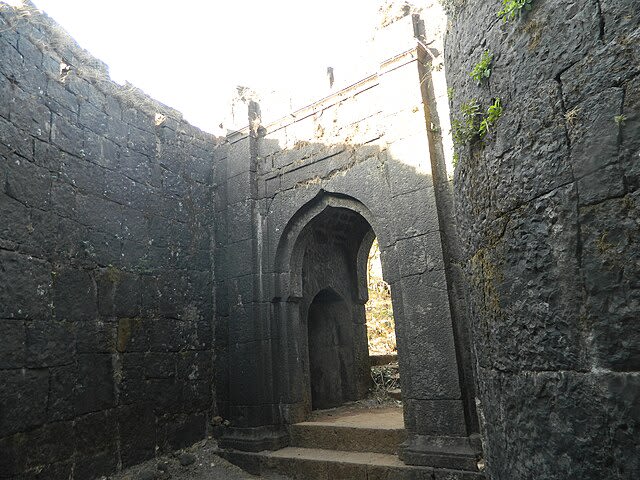
Bini Darwaja, Torna Fort — the gateway to the Maratha Empire

The Stage

The Sahyadris —
Where History
Was Written in Stone

1627
Year of Birth
Shivneri Fort
1645
Oath of Swarajya
Raireshwar Temple
1646
Torna Captured
First Swarajya Fort
400+
Years of Legacy
Still Alive in Pune

Swipe or Scroll Horizontally

Six Chapters of Swarajya

01
Early 1600s

A Sleeping Settlement

In the early 1600s, Pune was a quiet agrarian settlement along the Mula-Mutha rivers. Surrounded by the Sahyadris, life moved to the rhythm of harvests and monsoons — until destiny arrived.

01
02
1627

A Legend is Born

On 19 February 1627, at Shivneri Fort near Junnar, a boy was born. His mother named him Shivaji. Raised on the stories of gods and warriors, he grew up in Pune's Lal Mahal with one burning question: why are my people not free?

02
03
1636–1645

The Lal Mahal Years

The streets of Kasba Peth were his classroom. His Mavala companions became his first soldiers. He memorized every fort, every pass, every watchtower of the Sahyadris — not as a student, but as a future king already planning a nation.

03
04
1645

The Sacred Oath

At 17, at the Raireshwar temple, Shivaji Maharaj took an oath with his companions: to establish Swarajya — a self-ruled kingdom for the people of the Deccan. This was not rebellion. This was a promise carved into history.

04
05
1646

Torna Falls

In a bold night assault, Torna Fort fell into Maratha hands. The Adilshah was stunned. With gold found inside, Shivaji built Rajgad Fort — his capital. Fort after fort, the map of the Deccan was being redrawn by a teenager from Pune.

05
06
Forever

The Living Legacy

Pune did not just witness the birth of Swarajya. It was the incubator of the idea. From Tilak's newspapers to Phule's schools to Ambedkar's Constitution — this city kept making history, one revolution at a time.

06

Auto-scrolling · Hover or tap to pause

The Sacred Oath · Raireshwar · 1645

"Swarajya is my birthright,
and I shall have it."

— Chhatrapati Shivaji Maharaj

Chapter II · 1627–1645

Raised in the Lal Mahal

The streets of Kasba Peth were his classroom. Growing up in Pune's Lal Mahal under his mother Jijabai and guru Dadoji Kondadev, Shivaji absorbed stories of warriors and gods. He memorized every fort, every pass, every watchtower of the Sahyadris — not as a student, but as a future king already planning a nation. He listened to farmers crushed by taxation, traders who bribed every checkpoint, and women who prayed for a king who actually cared.

Chapter V · 1646

The Night Torna Fell

In March 1646, Shivaji Maharaj led his Mavala companions in a bold night-time assault on Torna Fort — one of the largest in the Sahyadri range. The Adilshah's garrison was caught completely off guard. Not because the attack was overwhelming — but because no one expected a teenage nobleman to dare such a thing. Torna fell. With gold found inside, Shivaji immediately began constructing Rajgad — his capital. He wasn't just winning battles. He was building a state.

The Legacy Continues

Pune Did Not
Just Witness History.
It Made It.

From the forts of Shivaji Maharaj to Tilak's newspapers, Phule's schools and Ambedkar's Constitution — this city kept making revolutions. Next time you walk through Shaniwar Wada at dusk, listen closely. History is not silent here.