Parvati Hill: The Highest Peak of Pune's Spiritual and Peshwa Heritage
Climb the 103 historic steps to Parvati Hill. Explore the cluster of 18th-century stone temples and enjoy the most breathtaking panoramic view of Pune.

Parvati Hill: A Climb Through Peace, History, and Stone
103 steps. 2,100 feet above sea level. An unmatched view of Pune. Parvati Hill is not just a destination; it's a rite of passage for every Puneite.
Category: Temples & Heritage | Built: 1749 | Location: Southern Pune
Long before the city spread into massive IT corridors and sprawling suburbs, Pune was viewed from the serene heights of Parvati Hill. It stands at 2,100 feet above sea level, making it the highest point in Pune city proper.
Parvati Temple was the crowning spiritual complex of the Peshwa era. Built in 1749 under the patronage of Shrimant Nanasaheb Peshwa (Balaji Baji Rao), the cluster of black stone temples has survived the fall of empires, British colonial rule, and the rapid urbanization of modern India.
Today, climbing Parvati Hill at dawn is a beloved ritual for fitness enthusiasts, history buffs, and spiritual seekers alike.
The 103 Steps
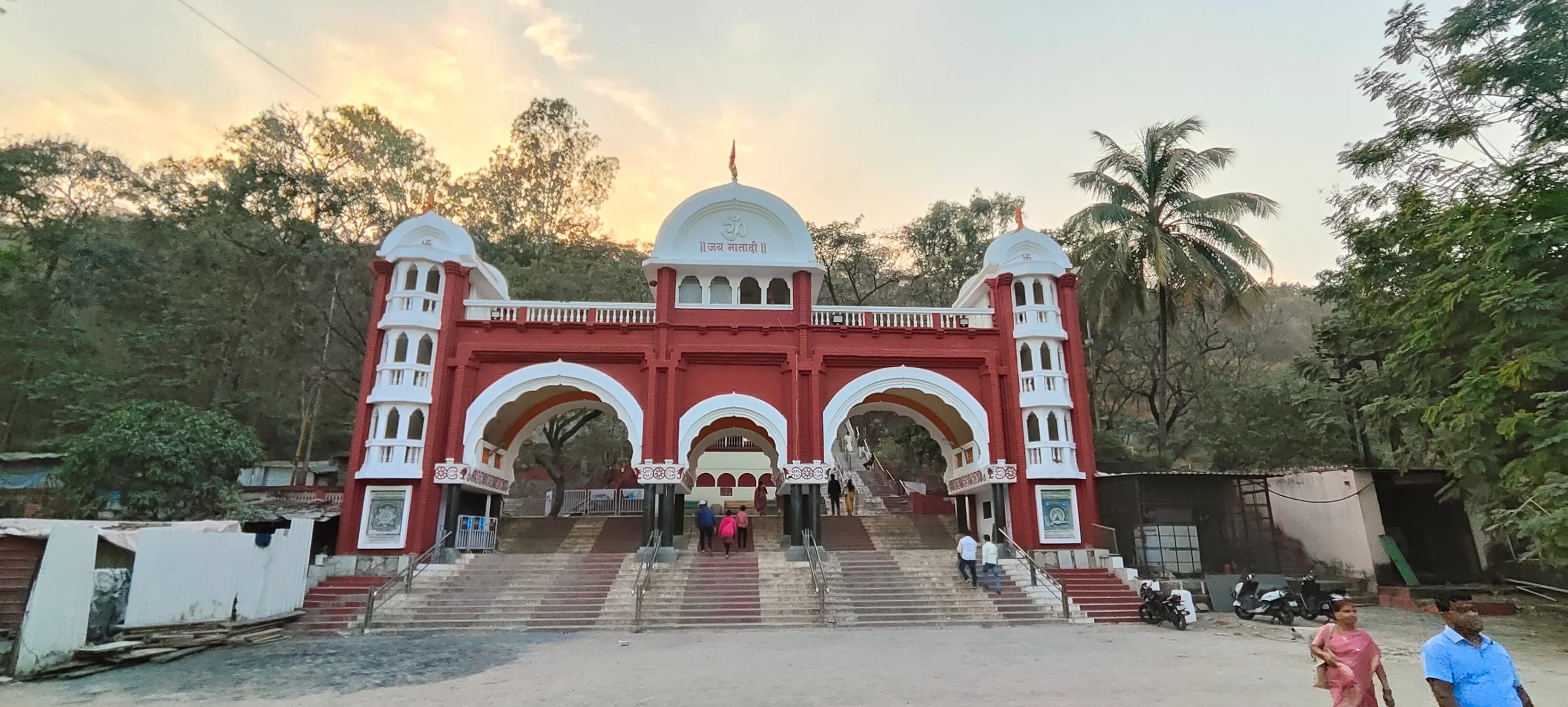
The journey to the top is characterized by exactly 103 massive, black basalt stone steps. Unlike a modern staircase, these steps are ingeniously wide and gentle. Legend has it they were designed this way so that the royal elephants could easily carry the elderly members of the Peshwa family—specifically Nanasaheb’s mother, Kashitai—straight to the temple without causing her discomfort.
The Temples of Parvati Hill
Parvati Hill isn't just one temple—it is a spiritual sanctuary comprising five distinct temples built sequentially around the summit.
1. Devdeveshwar Temple
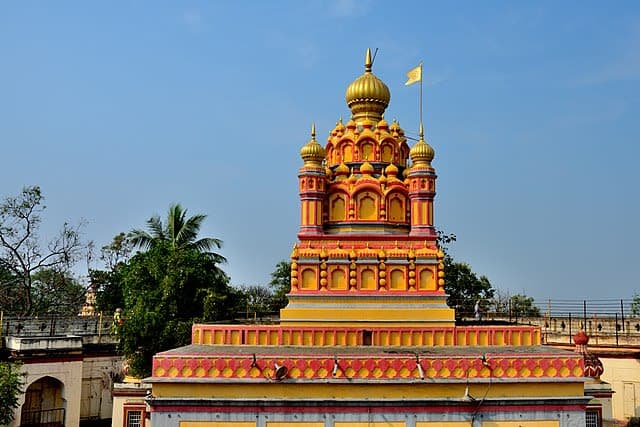
The crown jewel of the hill. Made almost entirely of dark basalt stone, this is the primary temple dedicated to Lord Shiva and Goddess Parvati. According to folklore, Nanasaheb Peshwa built this temple after securing a miraculous cure for a persistent ailment in his foot, which he attributed to the hill’s divine energy.

The beautifully ornate Devdeveshwar Temple, the spiritual crown of Parvati Hill.
Source: Wikimedia Commons
2. Kartikeya Temple
Located significantly close to the primary sanctum, this dedicated temple to Lord Kartikeya (the warrior son of Shiva) is one of the very few standalone Kartikeya temples in western Maharashtra.
3. Vishnu Temple
A classic Peshwa-style temple featuring exquisite wooden carvings and stone pillars, echoing the architectural brilliance of the era.
4. Vitthal and Rukmini Temple
A quieter, immensely peaceful shrine dedicated to Lord Vitthal. Devotees often sit in the pavilion here listening to bhajan and kirtan.
5. Ram Temple
A small but spiritually vital shrine dedicated to Lord Ram, built slightly later than the central Devdeveshwar temple.
The Peshwa Museum
Directly adjacent to the temples sits the Peshwa Museum (Parvati Peshwe Sangrahalaya). For history lovers, this is a treasure trove. It houses:
- Original manuscripts and ledger books from the Peshwa administration.
- Weaponry used in 18th-century Maratha warfare, including intricate swords and flintlocks.
- Rare coins, ancient scrolls, and vibrant oil portraits of the Peshwa rulers.
- The Samadhi: The tragic site where Nanasaheb Peshwa breathed his last. Heartbroken by the disastrous defeat of the Marathas at the Third Battle of Panipat (1761), he retired to Parvati Hill and died in its shadow.
The View from the Top
When you reach the summit walls, the entire city of Pune unfolds in front of you. To the east, you can see the dense clusters of the old Peth areas. To the west, the glittering high-rises and the outline of Sinhagad Fort in the heavy distance. During the monsoon, the clouds quite literally brush the temple towers, turning the hill into a misty, lush green paradise.
Parvati Hill is a beautiful paradox. It is grounded in the center of a bustling, noisy metropolis, yet the moment you take that first step onto the black basalt stone, the city quiets down. Here, history sleeps, and faith breathes.
📍 Parvati Hill — Parvati Paytha, Pune 411009