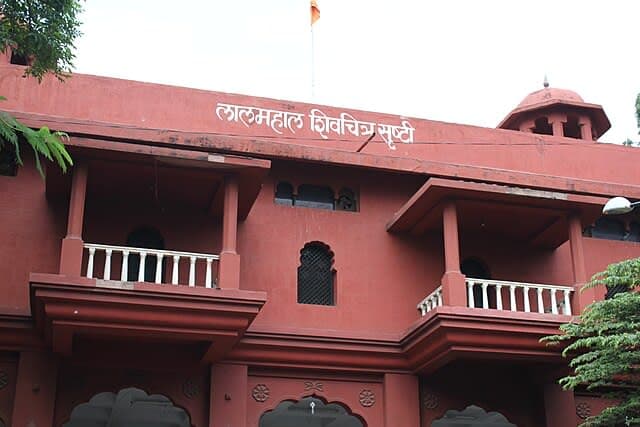
Shaniwar Wada: The Rise, Fall, and Haunting of the Peshwa Fortress
Standing as a silent sentinel in the heart of Pune, Shaniwar Wada is more than just a ruined monument; it is a profound testament to the power, glory, and ultimate tragedy of the Maratha Empire.

Shaniwar Wada is the heart of Pune's historical legacy. Built by the Peshwas of the Maratha Empire, this majestic fortification has stood as a witness to the city's transformation from a regional hub to a modern metropolis. Today, it stands as a silent sentinel in the heart of Pune—more than just a ruined monument, it is a profound testament to the power, glory, and ultimate tragedy of the Maratha Empire.
Once the seat of the Peshwas—the powerful prime ministers who effectively ruled the empire—this fortress-palace has witnessed the rise of legends, the intrigue of political betrayals, and a destruction that still leaves visitors wondering about the echoes of the past.
A History Born of Bravery
The story of Shaniwar Wada began in 1730 when Peshwa Baji Rao I, a legendary military strategist and perhaps the most famous of all Peshwas, laid its foundation. Legend has it that he chose this site after witnessing a rabbit chasing a dog, a sign of bravery that inspired him to build a residence that would never know defeat.
The foundation was laid on a Saturday, which is why it was named Shaniwar (Saturday) Wada (a residence or fort). Completed in 1732 at a cost of approximately 16,110 rupees—a significant fortune at the time—the palace became the administrative and residential headquarters for the Peshwa dynasty. For nearly 70 years, the palace was a bustling hub of political activity, home to the ruling Peshwas and their families.
Architectural Brilliance and Resistance
The complex was a masterpiece of security and aesthetics. Originally, the palace was envisioned as a seven-storeyed stone structure. However, there was a public outcry from the people who believed that only the Chhatrapati (the Maratha King) had the right to build a stone palace. Respecting these sentiments, the Peshwas transitioned the remaining construction to use bricks and wood.
The fortification is famous for its five massive gates, each with a specific purpose:
- Dilli Darwaza (Delhi Gate): The main entrance, large enough for elephants with howdahs to pass through, adorned with sharp steel spikes to deter enemy charges. It faces North, towards Delhi, signifying the Peshwas' ambitions.
- Mastani Darwaza (Ali Bahadur Gate): Named after Baji Rao I's second wife, Mastani, used primarily by her to enter and exit the palace.
- Khidki Darwaza (Window Gate): A smaller gate used for everyday access.
- Ganesh Darwaza: Located near the Ganesh Mahal, used by the ladies of the palace to visit the nearby Kasba Ganpati temple.
- Jambhul Darwaza: Also known as the Narayan Darwaza, used by concubines and servants.
Inside, the palace was equally grand. The Hazari Karanje (the Fountain of a Thousand Jets) was a complex engineering feat with 16 jets of water designed to create an 80-foot arch in the shape of a lotus. The walls were once adorned with intricate paintings depicting scenes from the Ramayana and Mahabharata, reflecting the refined taste of the Peshwa era.
the Darkest Hour: The Haunting of Narayanrao
Beyond the historical facts, Shaniwar Wada is perhaps most famous for its reputation as one of the most haunted places in India. This chilling lore centers on the tragic life and brutal death of Peshwa Narayanrao, the young and inexperienced leader who ascended to the throne at age 17.
In 1773, a power struggle between Narayanrao and his ambitious uncle, Raghunathrao, took a gruesome turn. It is said that Raghunathrao conspired with tribal hunters (the Gardis) to "capture" the young Peshwa. However, the order was manipulated—allegedly by Raghunathrao’s wife, Anandibai—turning "to capture" (dharaa) into "to kill" (maaraa).
The young Peshwa was chased through the corridors of the palace by the assassins. According to local folklore, his cries for help, "Kaka, mala vachva!" (Uncle, save me!), still resonate through the ruins today, especially on moonlit nights. While the palace is a popular historical attraction by day, many in Pune avoid the vicinity after sunset, fearing the lingering presence of the young, betrayed ruler.
The Great Fire of 1828
The grandeur of Shaniwar Wada was not to last forever. In 1828, a devastating, unexplained fire raged for seven days, consuming the majority of the palace. The fire was so intense that it destroyed the upper floors made of wood and brick, leaving only the stone foundations and the massive granite walls. What remains today is a skeletal structure—a haunt for historians and ghost hunters alike—that hints at its former architectural brilliance.
The Modern Experience: Light and Sound Show
Every evening, the ruins come alive with a spectacular Light and Sound Show. The show narrates the turbulent and glorious history of the Maratha Empire, the Peshwas' daily life, the battles fought, and the eventual fall to the British. It is a must-watch for anyone visiting Pune, as it breathes life into the cold stones of the wada.
Visiting Shaniwar Wada
Located in the old city area of Shaniwar Peth, the wada is surrounded by the vibrant energy of Pune's traditional markets. It is within walking distance from other iconic landmarks like the Dagadusheth Halwai Ganpati Temple and the Raja Dinkar Kelkar Museum.
Practical Information:
- Entry Fee: ₹25 for Indians, ₹300 for Foreigners.
- Timings: 8:00 AM to 6:30 PM (Ruins); 7:15 PM onwards (Light & Sound Show).
- Location: Shaniwar Peth, near the Mutha River.
Whether you are drawn by the architectural elegance, the historical weight of the Peshwa era, or the chilling legends of the full moon nights, Shaniwar Wada remains an unmissable chapter in the story of Pune.